Is Shaan Saar Krav Maga right for your Teen?
A clearer way for parents to decide
Many parents are deciding between programs that build toughness and programs that build judgment.
This page is designed to help you understand the difference.
Is gaining independence and spending more time unsupervised
Hesitates in uncomfortable situations or stays longer than they should
Acts impulsively when pressure builds or emotions run high
Is confident in some settings but unsure in others
Needs clear guidance on when to leave, speak up, or respond physically
This Program Is Likely a Fit If Your Teen...The Shaan Saar Krav Maga, Evidence Based Self Defense™ program is not built around making teens tougher or louder. It is built to help teens notice risk sooner, act before situations escalate, and respond physically with clear, simple movements when leaving isn’t immediately possible.You are primarily looking for a competitive sport
You want a focus on rank, belts, or tournaments
You believe confidence alone solves safety issues
You are looking for a short-term workshop rather than ongoing skill-building
This Program May Not Be The Right Fit If...Those program can have value.
This one serves a different purpose. What your teen will learn here
These are skills teens use before, during, and after pressure shows up.
How to recognize when a situation is shifting from uncomfortable to unsafe
How to decide earlier instead of waiting too long
How to leave without explanation or apology
How to respond physically when leaving isn’t immediately possible
How to create space and disengage rather than escalate
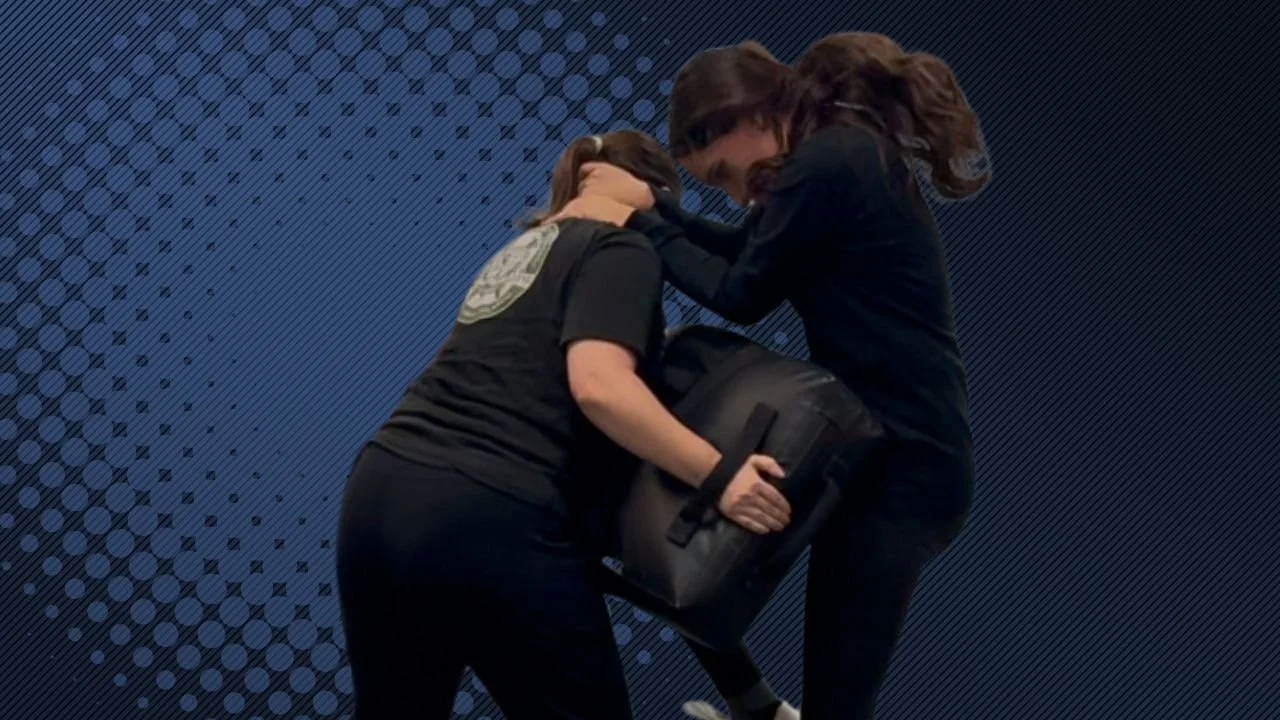
Physical defense concepts are taught clearly and directly and rely on simple, stress-resilient movements that remain usable when fine motor skill and complex techniques break down.

Why increasing independence changes what self defense training should focus on
01
If teens are not trained to recognize pressure early, they can come to rely on confidence, bravado, or endurance to get through situations. Those qualities feel productive, but they don’t reliably reduce risk.
02
Learning how to pause, assess, and act decisively is far easier before habits set in.
03
As teens grow more independent, decisions happen faster and with less adult input.