

A regulation-first teen self-defense program designed for the stage when independence accelerates and decisions start happening without adults present.
Training judgement before habits set in
The goals isn’t to react after habits form. It’s to shape how teens respond to pressure while their decison making systems are still developing.
ABOUT THE PROGRAM
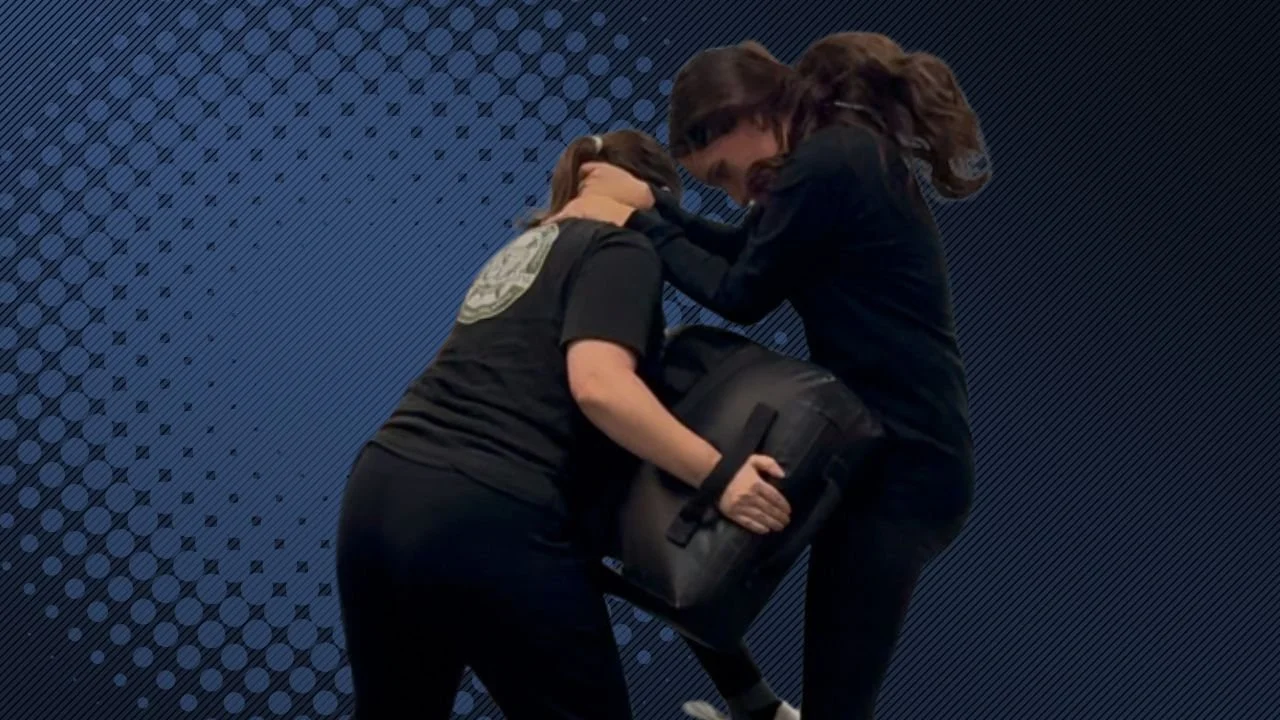
As teens gain independence, safety decisions shift quickly from supervised environments to social situations where hesitation, pressure, and delayed exits matter more than physical strength.
This program was built for that stage, when judgment under stress is still forming, and preparation needs to happen before patterns harden.
If you’re evaluating programs this year, it’s worth understanding whether your teen is being trained for judgment under real pressure, not just confidence or endurance.
This page is designed to help you make that decision clearly, before committing elsewhere.
Preparing teens before habits harden
·
Preparing teens before habits harden ·
Our Approach
-
Why our approach is structurally different
Many teen programs focus on confidence, toughness, or endurance. Those qualities feel reassuring, but they do not reliably prevent escalation, hesitation, or poor decisions under social pressure.
This program is built around how teens actually behave when stress rises.
Rather than training dominance or bravado, we condition:
·Early risk recognition
·Regulation before reaction
·Decisive disengagement
·How to use physical response when a situation becomes inevitable.
Avoidance and early disengagement are always the goal.
But real-world situations don’t always allow for clean exits. -
Designed Around Real Teen Behavior
Most teen risk doesn’t begin with strangers or sudden attacks. It develops in familiar settings: parties, dating, group dynamics, and situations where leaving feels socially costly.
This program trains teens to recognize discomfort early, trust behavioral cues over social narratives, and act before pressure overrides judgment.
Teens are not reckless by default. More often, they hesitate. They stay too long. They second-guess discomfort. They delay leaving to avoid awkwardness.
Parents often recognize these moments immediately. This training is built around them.
-
What Holds Up Under Stress
Under stress, complex techniques fail. Fine motor skills degrade. Decision-making narrows.
Our physical training is intentionally simplified:
·Gross motor movements
·Short decision chains
·Clear outcomes: create space, disengage, exit, and defend when necessaryPhysical defense supports the foundation of judgement and regulation.
-
Why Timing Matters More Than Intensity
Judgment under pressure and emotional regulation are not learned once. They are conditioned over time.
The earlier these responses are trained, the more reliably they hold as independence increases.
When this conditioning is delayed, teens often rely on confidence, toughness, or endurance to compensate, qualities that feel productive but don’t reliably reduce risk.
This is why programs focused solely on toughness or endurance feel productive but often miss the moments where teens hesitate, stay too long, or second-guess their instincts.
What martial arts can’t do
Physical disciplines like martial arts and BJJ can be valuable for fitness and resilience. What they don’t address is how teens decide when to disengage, how they manage social pressure, or how they regulate stress before escalation begins.
For families who want to see how regulation first training works in practice.
HOW FAMILIES TYPICALLY MOVE FORWARD
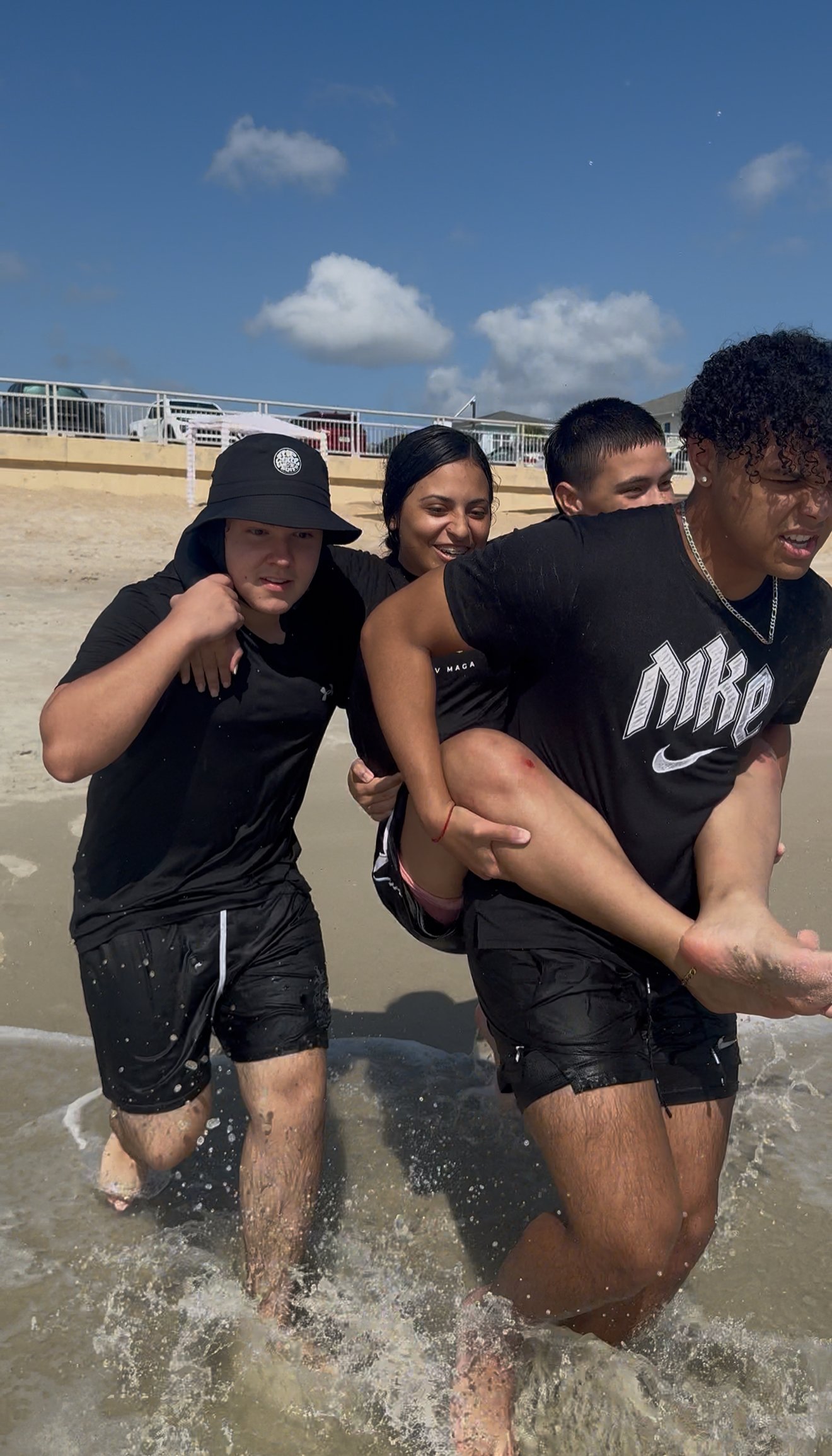
Most families begin by deciding whether this approach fits their teen’s personality, maturity, and real-world exposure.
If it does, the next step is simple.
Experience the Approach
The 2-Week Trial is the starting point for families who want to evaluate fit through real training, not observation.